During campaign development we ran focus groups, co-facilitated by researchers of African and Pakistani heritage, with women of Pakistani, Indian, Bangladeshi, African, and Caribbean heritage. Participants' ideas and reflections were used to develop campaign priorities and creative concepts. Draft plans for the campaign were presented back to the groups for participant-led, iterative development.
Women advised that personal stories of post-menopausal bleeding and womb cancer diagnosis from representative individuals speaking their own languages must be central to the campaign. Involving husbands and children would highlight roles that family members can play in supporting people at risk of womb cancer. Positive messages could address fear, cancer fatalism and concerns about hysterectomy. Our focus group participants also confirmed that often people in their communities think that cervical screening tests for all gynaecological cancers, and so we would need to address this belief too.
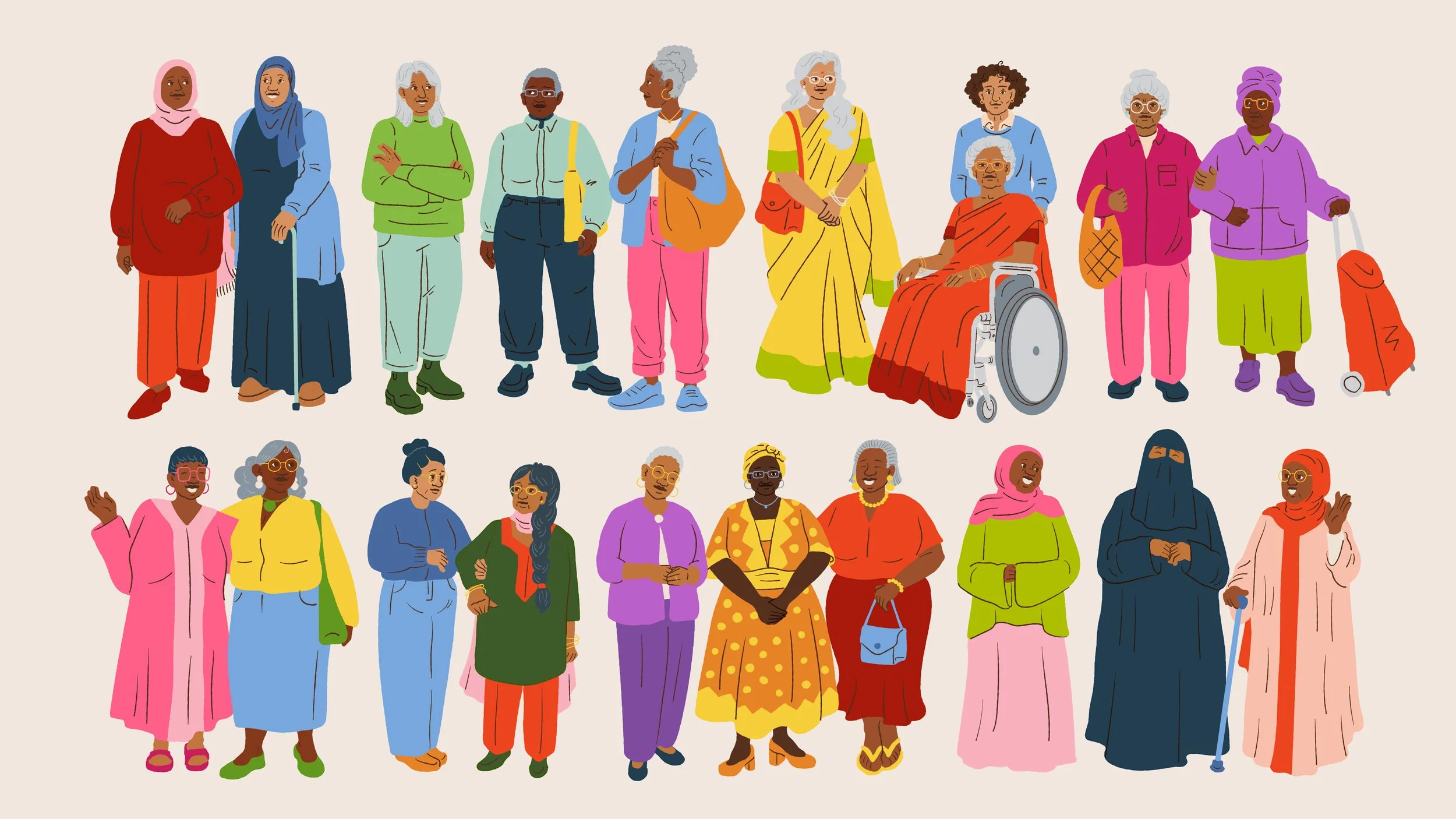
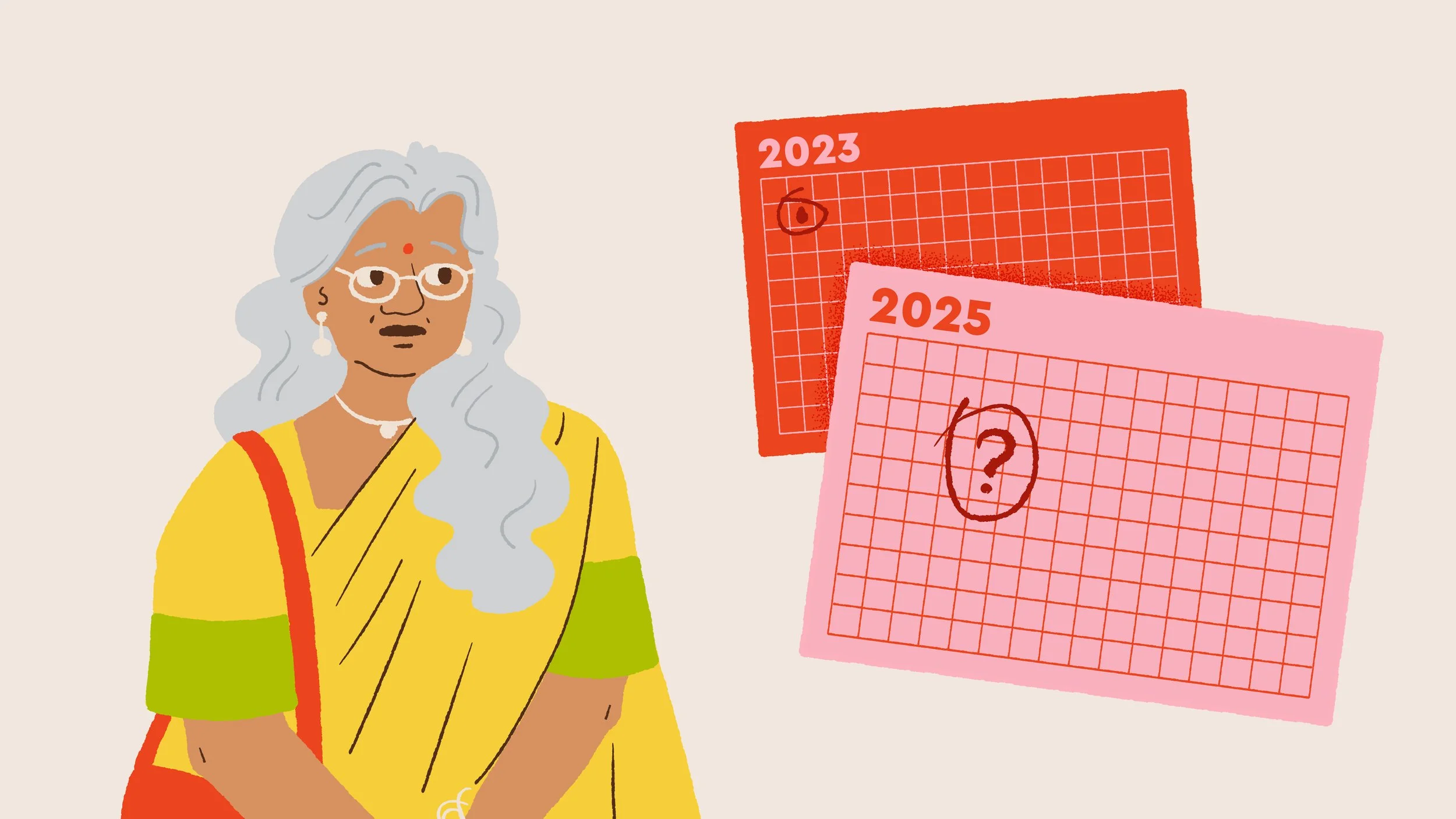
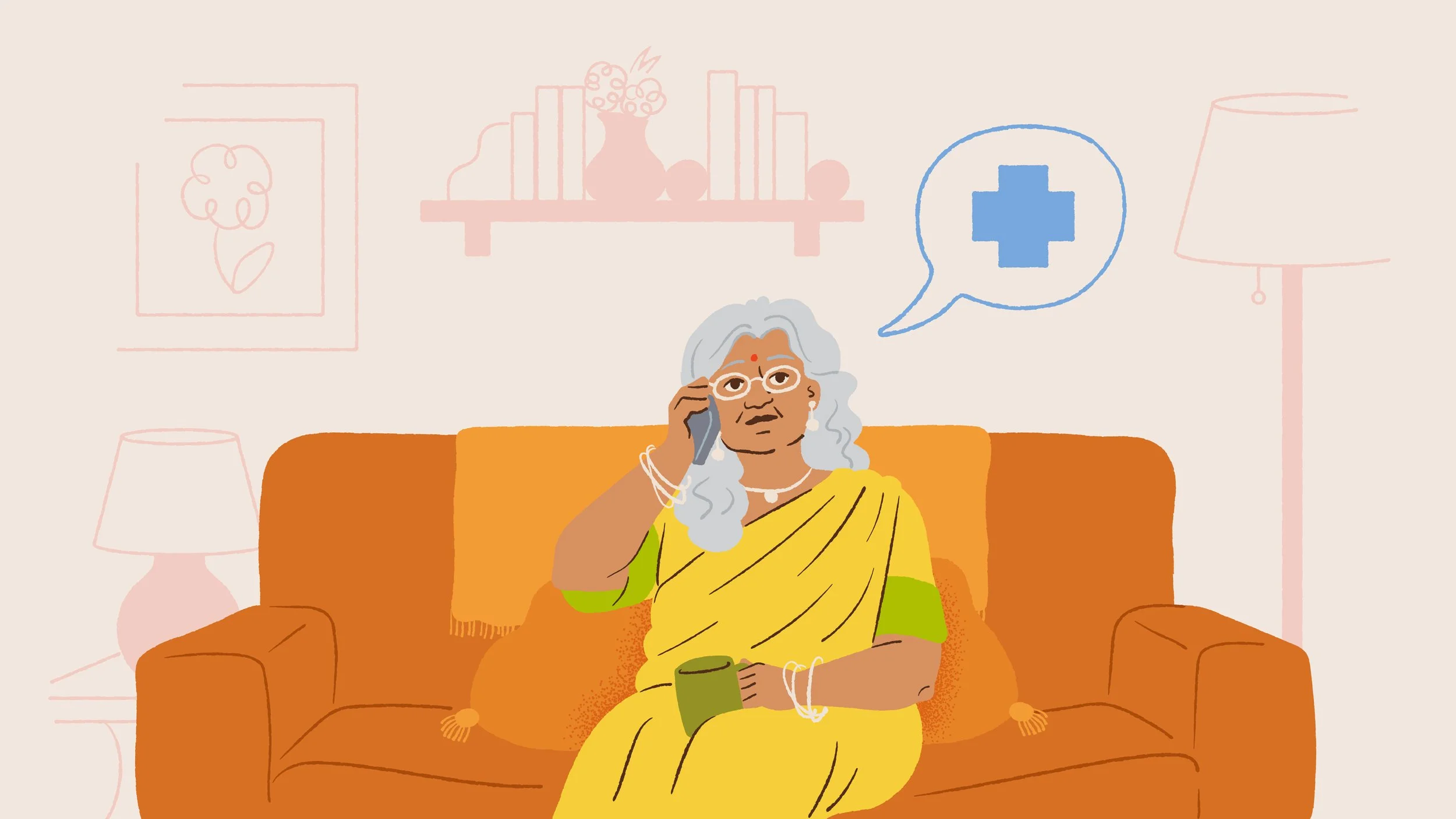
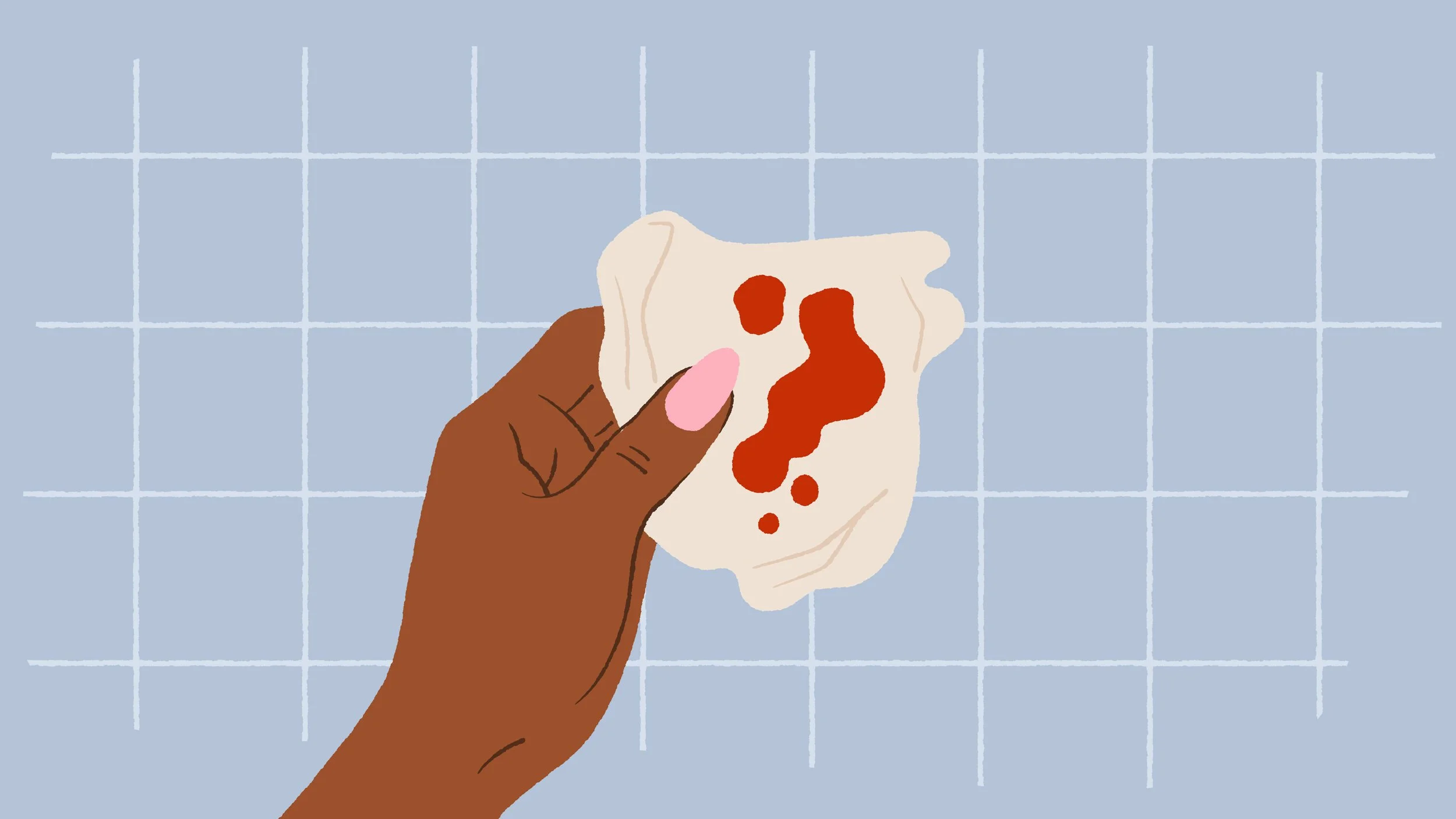
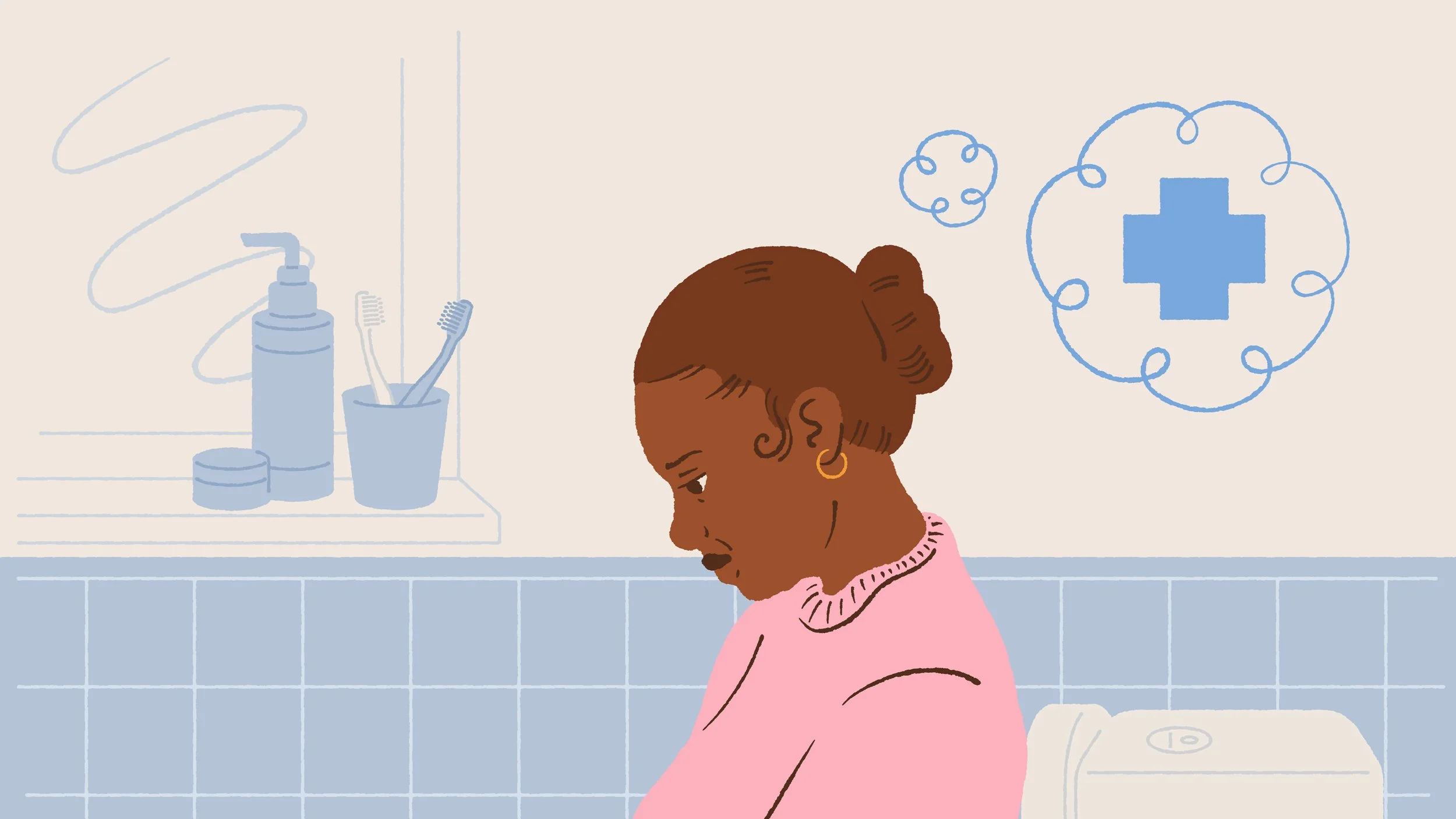
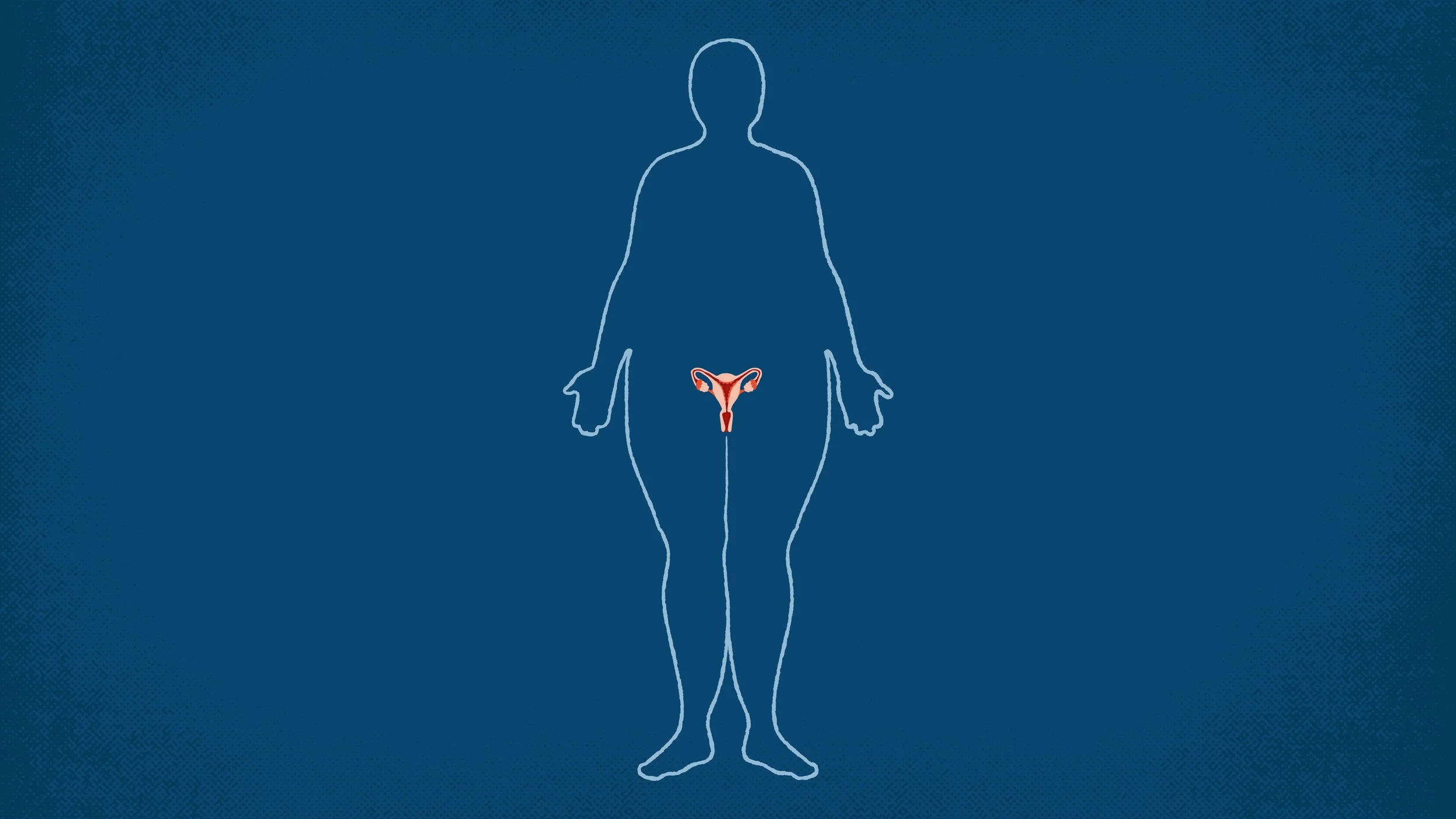
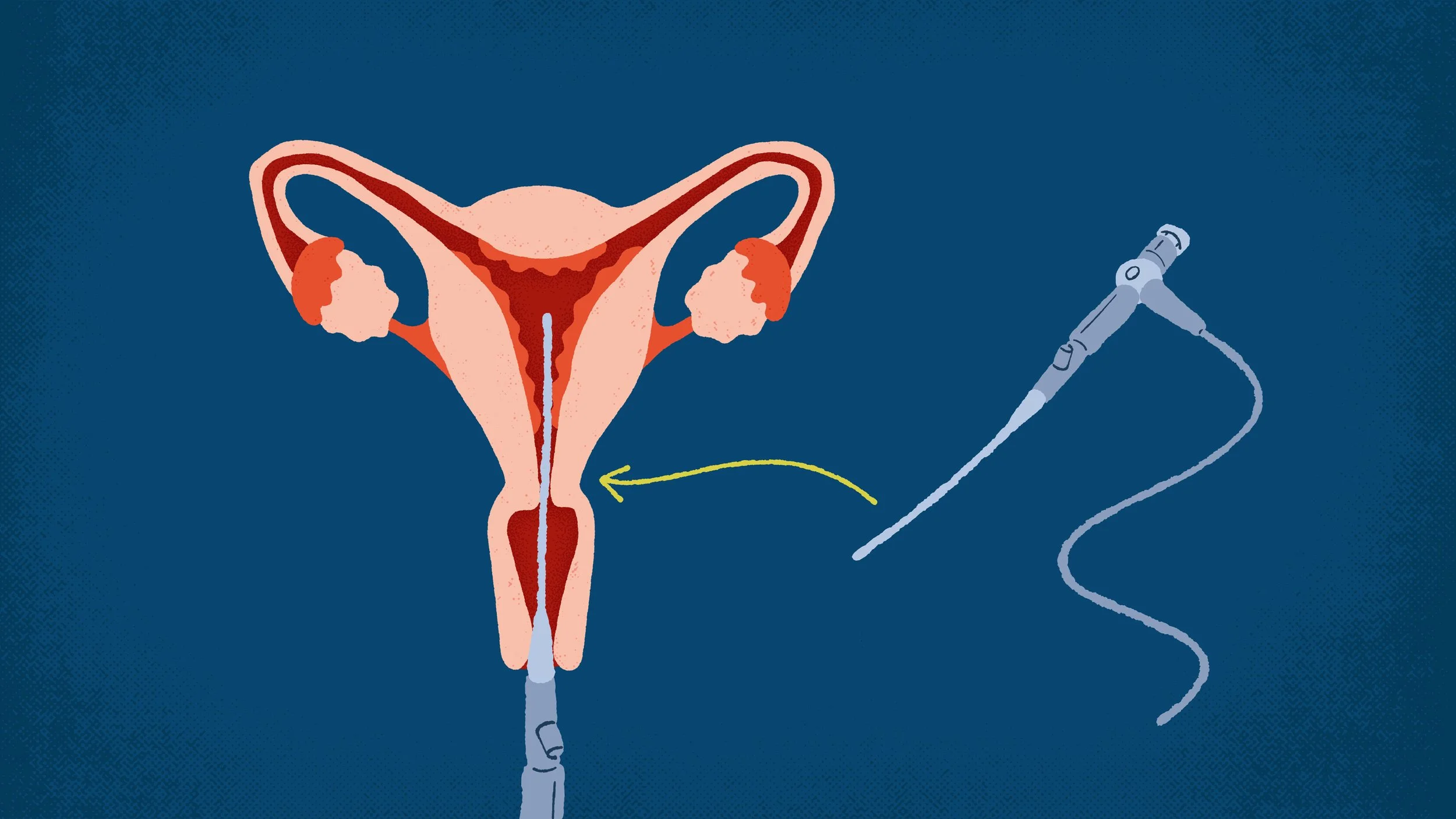
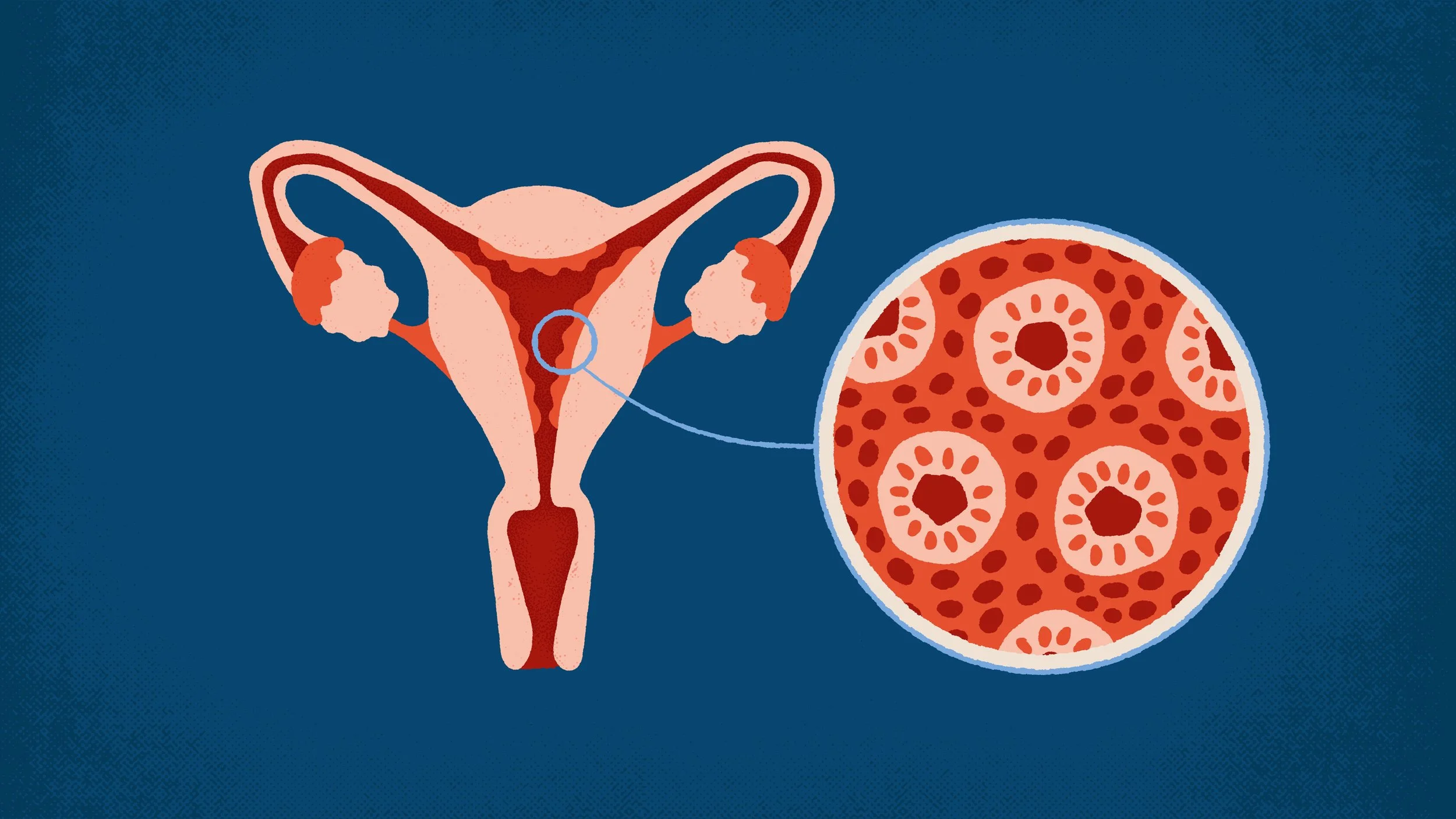
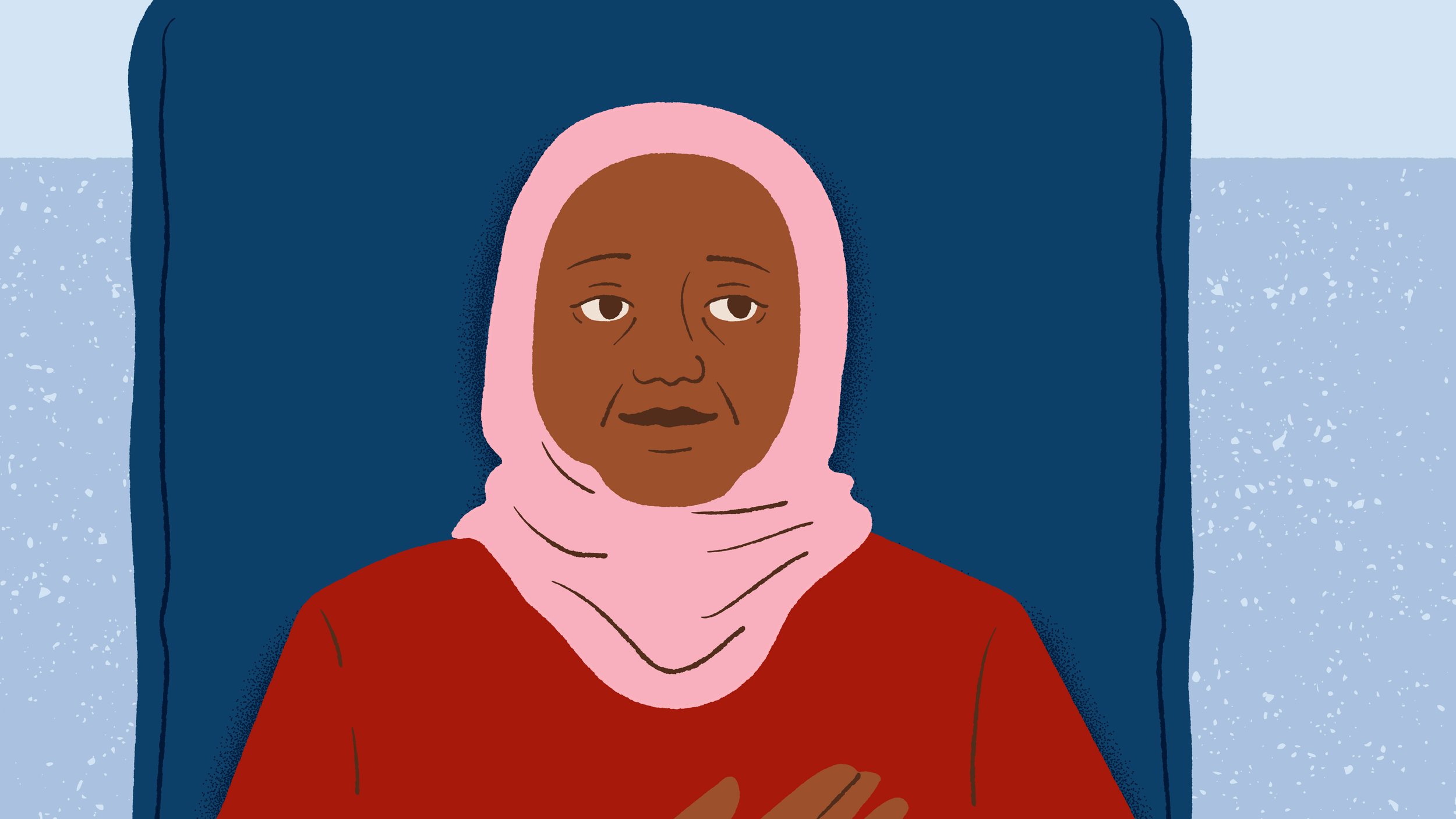
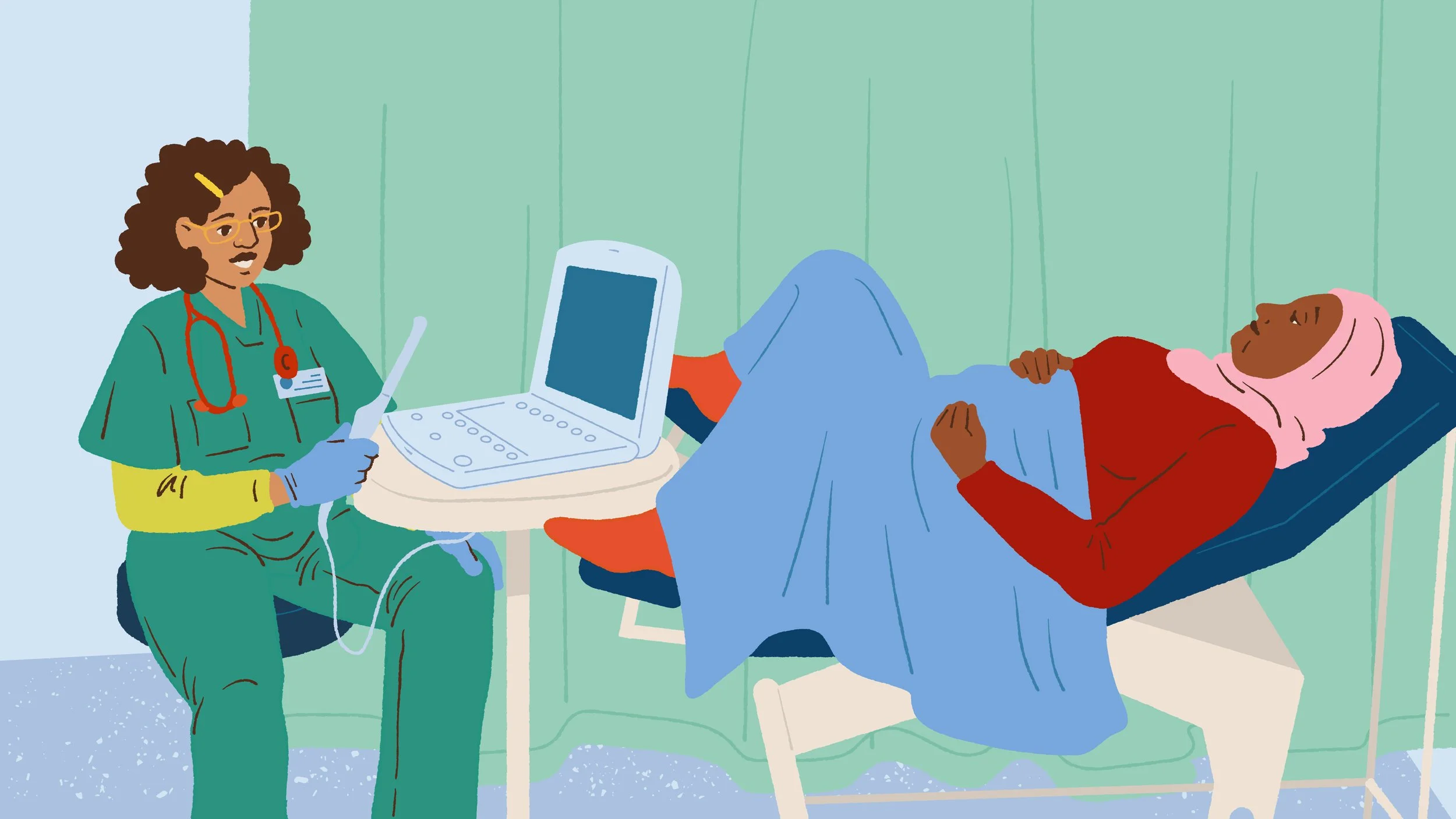
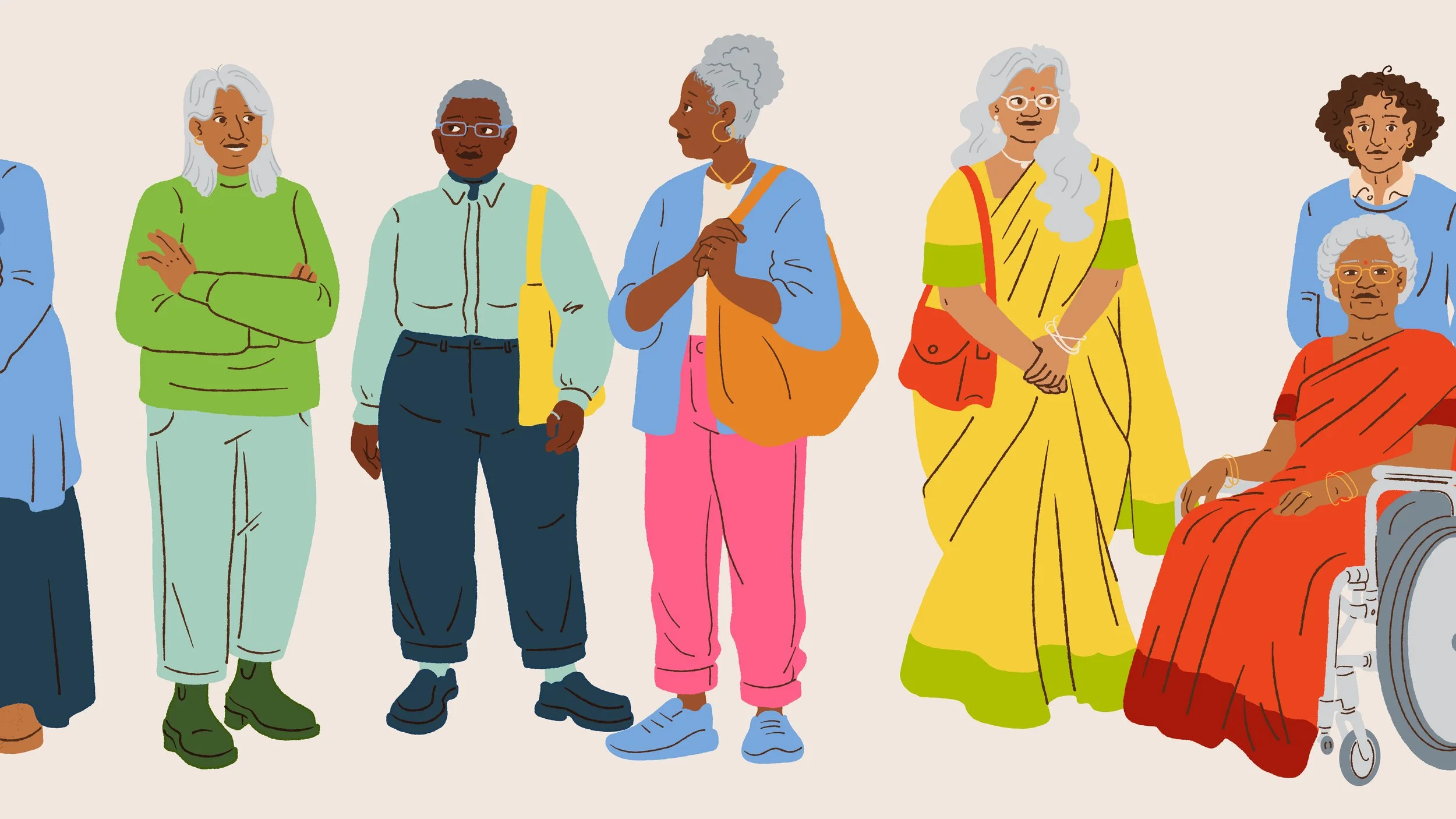
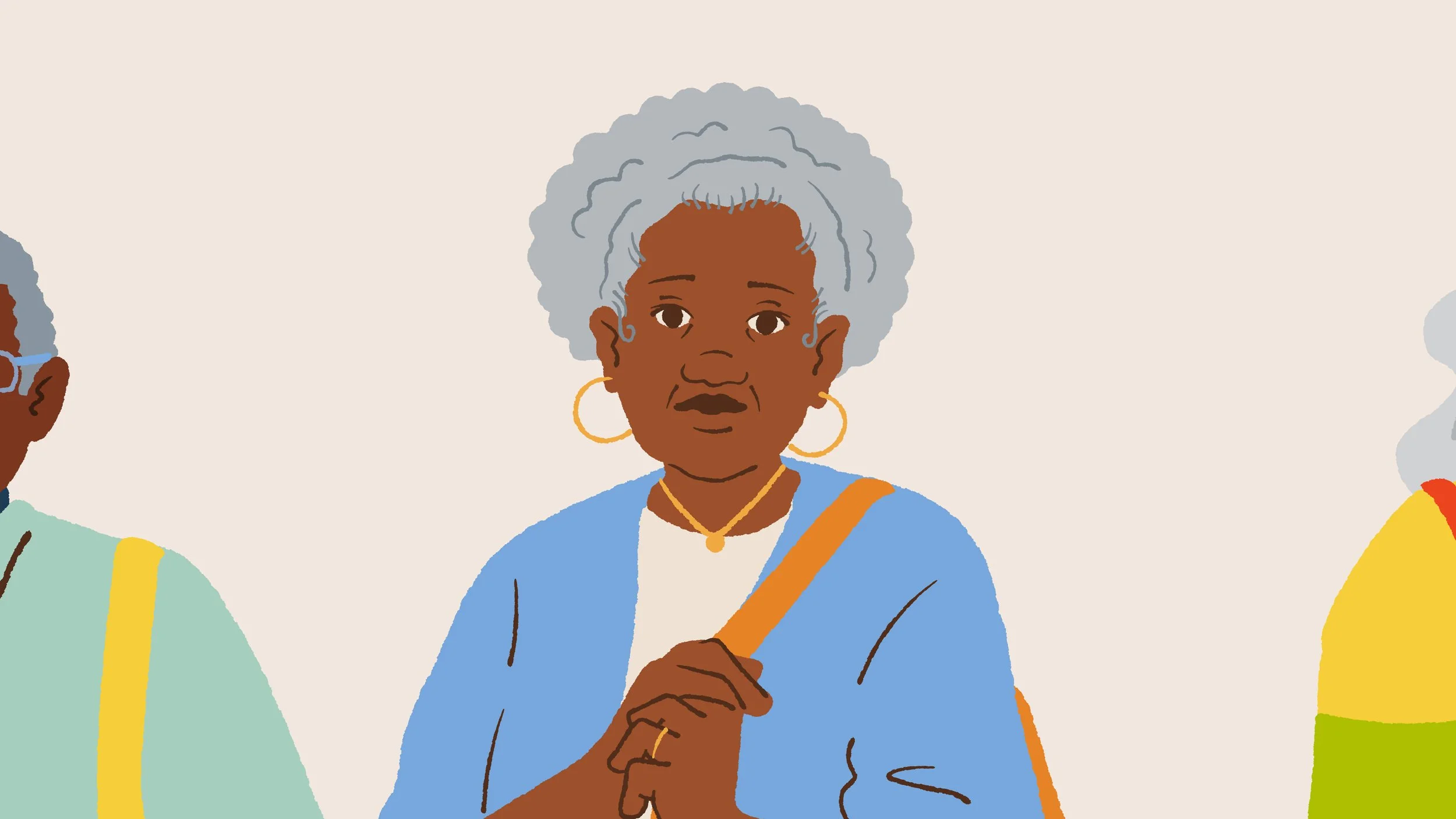
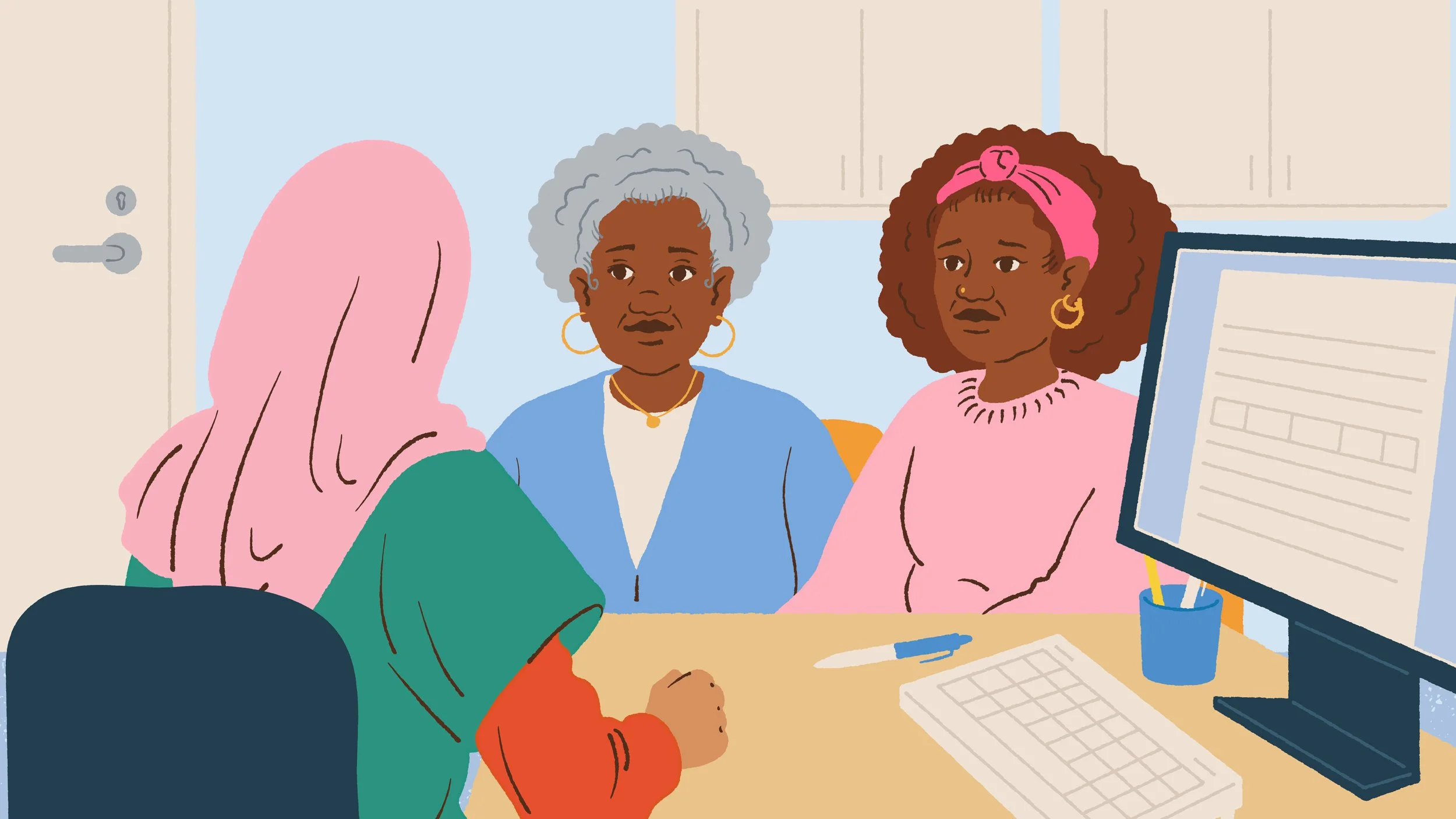
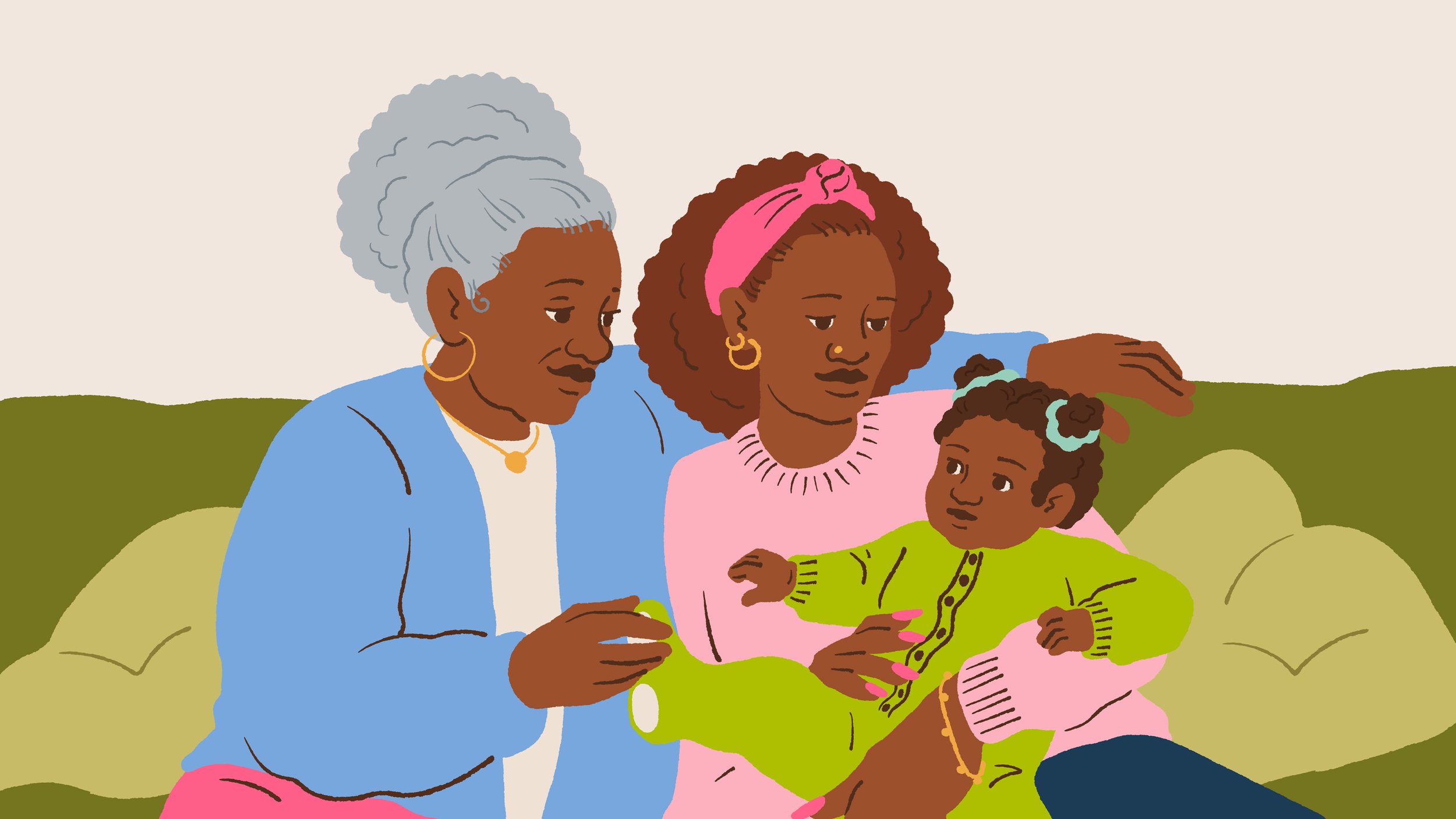
Campaign videos therefore utilised semi-structured interviews with Black and South Asian womb cancer survivors and individuals at risk of womb cancer to highlight personal experiences in their own words. An animated video, including characters representative of the diverse Black and South Asian audiences, was also developed to describe the clinical pathway after recognition of symptoms. The animated video also aimed to address misconceptions about womb cancer, including clarifying the definition of menopause, distinguishing womb cancer from cervical cancer, and emphasising the importance of early detection of womb cancer to improve cure rates. The animated video is currently available with both an English and Urdu voiceover, and the video with survivors’ stories is shown in English with Urdu subtitles.